A life shaped by rhythm and movement
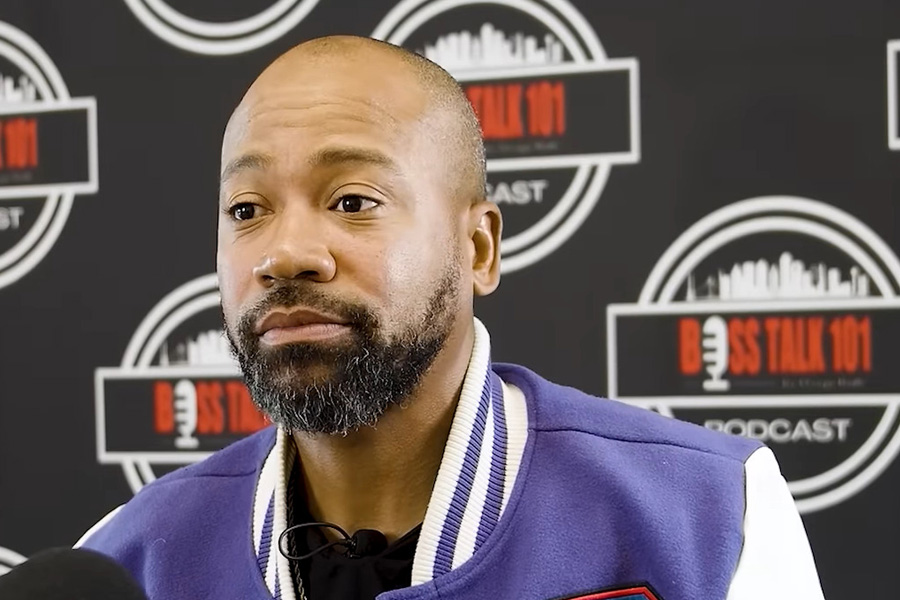
Columbus Keith Short occupies a singular place in American entertainment. Born on September 19, 1982, in Kansas City, Missouri, he became an actor, dancer, choreographer, and author with uncommon range. His public identity has never been fixed to one lane. It has shifted through film sets, television drama, stage movement, and personal reinvention.
His early years in Los Angeles helped form that versatility. He entered performance culture young, and that early immersion mattered. Youth theater and arts education gave him technical grounding, while motion gave him instinctive power. He did not merely study performance. He lived inside it before most people knew his name.
That background made his work feel immediate. He carried physical authority, but he also brought emotional voltage. In a field crowded with trained faces, he stood out through kinetic presence. He seemed built for scenes that needed urgency, precision, and friction.
Family roots and private foundations
Family sits close to the center of his story. His mother, Janette, has been described as a musical figure with talent management ties. That kind of household often creates a child who learns discipline through sound and timing. It can also cultivate a subtle command of attention.
His father is also identified as Columbus Keith Short. That shared name suggests continuity and inheritance. Names can function like heirlooms. They pass through generations with memory attached.
He also has brothers, John Rancipher and Chris Staples. Public accounts do not dwell deeply on them, yet their place in the family structure remains important. Siblings often shape identity through rivalry, loyalty, and comparison. They help define what is familiar and what is possible.
Fatherhood later became one of his most defining roles. He is publicly reported to have four children. One child is his son with Brandi Short. Another is Ayala Short, his daughter with Tanee McCall. He also has two sons with Aida Abramyan. That makes family not peripheral, but structural.
Early career and breakout momentum
His career began in dance before widening into acting. That sequence matters because movement gave him a special kind of screen intelligence. He understood rhythm, timing, and bodily consequence. Those qualities translated well when he moved into film.
Early projects such as You Got Served, Accepted, Save the Last Dance 2, and Stomp the Yard gave him visibility. These roles established him as a performer who could project athletic energy and human tension at once. He was not a detached presence. He looked like someone always in motion, even in stillness.
Stomp the Yard became a major breakthrough. The film helped him reach wider audiences and solidify his identity as a dynamic screen artist. It also aligned with his dance background in a way that felt organic rather than ornamental. He looked native to that world.
From there, his filmography broadened. Cadillac Records, Armored, and The Losers expanded his range. He moved between ensemble work, supporting roles, and more demanding dramatic spaces. The variety suggested durability, not merely trend-driven appeal.
Television visibility and wider recognition
Television gave him one of his most recognizable roles. His work as Harrison Wright on Scandal brought him into a faster, sharper dramatic arena. The series demanded speed, confidence, and tactical intelligence. He matched that energy well.
That role widened his audience considerably. Many viewers came to know him through that character first. Harrison Wright carried polish, calculation, and pressure. Short played him with enough edge to make the character memorable in a crowded cast.
The television run also showed another side of his craft. Film can isolate a performer inside a single arc. Television requires repetition, endurance, and adaptability. He handled that shift with apparent ease. The role marked a high point in his public visibility.
Personal life and public scrutiny
His relationships have often attracted attention. He was married to Brandi Short from 2001 to 2003. He later married Tanee McCall in 2005, and that marriage ended after later divorce proceedings. He has also been publicly connected to Aida Abramyan, whom he married in 2016.
These details reveal more than chronology. They show a life lived under persistent observation. Marriage in public life can become a secondary stage, where private change is constantly interpreted. That pressure can sharpen both resilience and exposure.
He has also been linked publicly with Karrine Steffans. Such connections often become magnified beyond their actual human scale. Celebrity culture tends to compress complexity into shorthand. His life, by contrast, appears layered and continuous.
The presence of children adds another dimension. Fatherhood introduces permanence into a career often built on fleeting projects. It shifts attention from applause to obligation. For Short, that domestic reality appears to have remained central through several phases of life.
Creative range and lasting significance
What makes Columbus Keith Short distinctive is not one role alone. It is the span of his work. He danced, acted, choreographed, and later wrote a memoir titled Short Stories The Autobiography of Columbus Short. That breadth gives him a composite identity.
His memoir matters because it reclaims narration. Public figures are frequently edited by headlines and fragments. A memoir allows a person to reframe his own arc. It suggests a desire for clarity beyond rumor and performance.
He also continued working in later projects such as True to the Game 2 Gena’s Story, True to the Game 3, and Remember Me The Mahalia Jackson Story. That persistence is important. Careers in entertainment often stall after turbulence. He kept moving.
His public image has included legal trouble and personal volatility. Those realities shaped how many people viewed him. Yet they do not erase the larger picture. They coexist with talent, labor, and a durable willingness to return to work.
Career timeline
| Year | Turning Point |
|---|---|
| 1982 | Born in Kansas City, Missouri |
| Early childhood | Moved to Los Angeles |
| Youth years | Theater training and arts education |
| Early 2000s | Dance and screen debut |
| 2007 | Breakout with Stomp the Yard |
| 2008 | Recognition through Cadillac Records |
| 2009 to 2010 | Film expansion with Armored and The Losers |
| 2012 to 2014 | Major television visibility through Scandal |
| 2020 | Memoir publication |
| 2022 onward | Continued film and television work |
This timeline shows movement rather than stasis. Each phase opened a different kind of opportunity. Some years brought acclaim. Others brought scrutiny. All of them contributed to a career built on reinvention.
Key Takeaways
Columbus Keith Short is best understood as a multi disciplinary performer with a restless arc. His early dance foundation shaped his acting style and gave him unusual physical authority. That combination helped him break through in projects such as Stomp the Yard and Scandal.
His family life is also central to his identity. He comes from a musically informed background, and fatherhood has remained a major thread in his life. Public relationships and personal complications added visibility, but they also complicated the portrait.
His career has shown persistence across film, television, stage energy, and authorship. He did not remain inside one era or one reputation. He kept working, shifting, and reappearing. That endurance, more than any single title, defines the shape of his public life.