Early Life and Formation
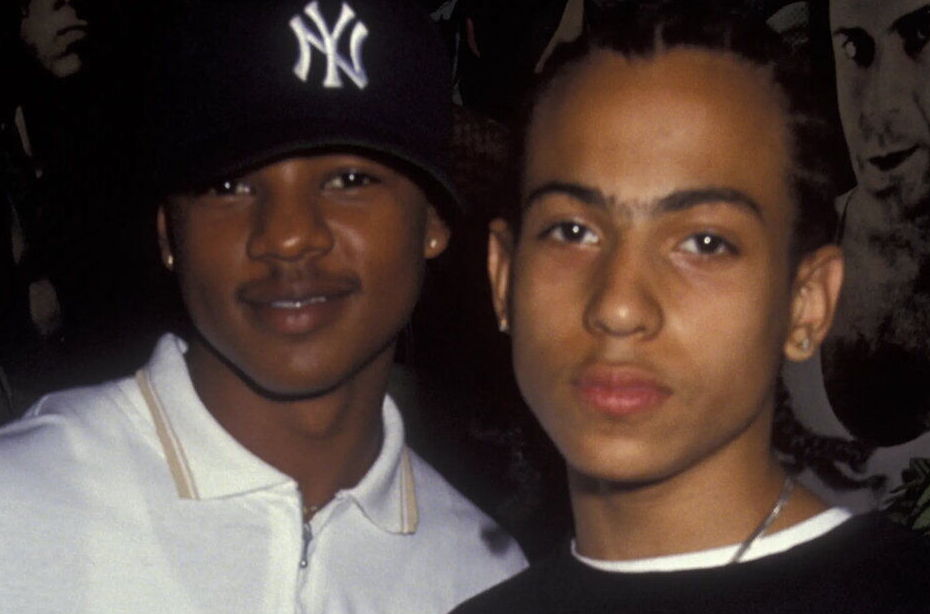
Chris Smith was born on January 10, 1979, in Atlanta, Georgia. He met Chris Kelly in first grade at Benteen Elementary School. By age 11, they were trading rhymes in neighborhood parks. Their chemistry was instantaneous and unusually buoyant. In 1991, Jermaine Dupri discovered them at Greenbriar Mall. That encounter shifted their talent into a larger public sphere.
| Year | Age | Milestone |
|---|---|---|
| 1979 | 0 | Birth in Atlanta, Georgia |
| 1985 | 6 | First grade at Benteen Elementary School |
| 1989 | 10 | Early rhyme writing with Kelly |
| 1991 | 12 | Discovery by Jermaine Dupri at Greenbriar Mall |
Smith and Kelly also attended Woodward Academy during their early rise. They balanced classroom demands with accelerating musical ambitions. Smith later pursued marketing and business studies. That background would matter far beyond the studio. It gave him a strategic lens that many performers never develop. His early life already hinted at dual gifts, artistic spark and commercial foresight.
The Kris Kross Breakthrough
Their debut album, Totally Krossed Out, arrived on March 31, 1992. The release felt electric from the start. Smith was 13 years old. Kelly was 13 as well, only months older. The single “Jump” surged to number one on the Billboard Hot 100. It held that position for eight weeks. The album also reached number one on the Billboard 200. First week sales reached 171,000 copies. The record later earned 4 times platinum status. Such momentum made them an improbable youth phenomenon.
| Metric | Value |
|---|---|
| Release Date | March 31, 1992 |
| Smith Age at Release | 13 years, 2 months |
| Kelly Age at Release | 13 years, 7 months |
| “Jump” Peak Position | Number 1 on Billboard Hot 100 |
| Hot 100 Run | 8 weeks at number 1 |
| First Week Sales | 171,000 copies |
| Album Certification | 4 times Platinum |
The duo toured heavily after that breakout. By August 1992, they finished a European leg in London. That stretch included 25 shows across Europe. Their visibility expanded across radio, television, and live venues. In that period, youth audiences treated them as more than rappers. They became a vivid emblem of early 1990s teen exuberance.
On May 25, 1993, Da Bomb revealed a sharper texture. Da Brat appeared on the title track. “Warm It Up” offered another memorable single. The album reached number 25 on the Billboard 200. It still crossed one million sales. That performance showed durability rather than fluke success. Smith proved he could thrive inside a harder sonic frame.
Style and Cultural Impact
Smith did not merely sound distinctive. He looked distinctive too. His backward clothing became a youth obsession in September 1991. Hats often faced the rear. Shirts and jackets followed the same rule. The aesthetic felt playful, rebellious, and instantly legible. Music videos sharpened the effect with reverse camera tricks. The result was a branding lesson disguised as pop spectacle.
| Aspect | Detail | Impact |
|---|---|---|
| Backward Clothing | Began in September 1991 | Global imitation among youths |
| Hat Styling | Backward in 97 percent of early performances | Strong visual recall |
| Dance Identity | “Krossed Step” | Added performance signature |
| Media Exposure | 15 television features from 1992 to 1994 | Broader brand amplification |
The style also altered retail currents. Youth apparel sales rose sharply during 1992. Their image traveled through schools, malls, and magazines. Smith helped translate street energy into a mainstream commodity. That transition required instinct, discipline, and marketing intelligence. It also required confidence at an age when most artists are still finding their voice.
Their language mattered too. Phrases like “Kross yo heart” entered the fan vocabulary. Such verbal play widened their cultural footprint. It gave the duo an identity beyond chart positions. Many acts sell songs. Fewer sell an entire symbolic universe. Smith helped build one with exceptional clarity.
Music Output and Chart Performance
Smith’s recorded output remained compact, yet influential. Totally Krossed Out arrived in 1992. Da Bomb followed in 1993. Young Rich and Dangerous appeared on July 9, 1996. Each album documented a different phase of maturation. The sequence charted a move from buoyant pop rap toward tougher textures. The progression was brief, but it was memorable.
| Album | Release Date | Billboard 200 Peak | Certification | Notable Single |
|---|---|---|---|---|
| Totally Krossed Out | March 31, 1992 | 1 | 4 times Platinum | “Jump” |
| Da Bomb | May 25, 1993 | 25 | Platinum | “Warm It Up” |
| Young Rich and Dangerous | July 9, 1996 | 47 | Gold | “Tonite’s tha Night” |
Their chart history remained formidable. “Warm It Up” peaked at number 14 on the Hot 100. “Da Bomb” reached number 35. “Tonite’s tha Night” climbed to number 72. Across the era, the duo sold more than 6 million albums worldwide by 1997. Their singles moved more than 8 million combined units. They also completed 120 tour dates from 1992 to 1994. Those numbers show breadth, not only brief novelty.
Smith’s ability to adapt is easy to overlook. He was never frozen inside one register. He moved from playful youth rap toward a more rugged posture. That shift signaled instinctive responsiveness. It also preserved relevance across changing tastes. Few child stars navigate such transitions without friction.
Business and Creative Expansion
After the duo parted ways, Smith entered a new chapter. In 1999, he founded One Life Entertainment, Inc. In 2004, he co founded Urbane Muse in Atlanta. The shift from microphone to enterprise was not cosmetic. It reflected a broader creative architecture. Smith began treating art as both expression and institution.
| Year | Venture | Role |
|---|---|---|
| 1999 | One Life Entertainment, Inc. | Founder and CEO |
| 2004 | Urbane Muse, Atlanta | Co founder and visual artist |
| 2010 | First Solo Art Exhibition | Exhibitor at Atlanta Contemporary Gallery |
| 2015 | Urban Reflections | Coffee table art book author |
One Life Entertainment signed three unsigned Atlanta acts from 2000 to 2005. That work showed a curator’s instinct. Urbane Muse produced more than 150 paintings, apparel items, and short films by 2020. The output was eclectic and disciplined. It also traveled well beyond Atlanta. Exhibitions later appeared in New York, Los Angeles, and Berlin. Smith’s marketing background helped sustain that reach.
The numbers suggest real momentum. Urbane Muse recorded 30 percent annual growth from 2012 to 2018. That level of expansion is uncommon in small creative ventures. It indicates systematic thinking and operational patience. Smith brought those traits into a field that often prizes spontaneity alone. His business life extended the discipline first hinted at in school.
Community Work and Personal Life
Smith has remained strongly tied to Atlanta. His philanthropy reflects that loyalty. The Urban Inspiration Foundation launched in 2008. It served 5,000 students through youth arts education. In 2012, he launched the Atlanta Backward Festival. It fused music and street style for 10,000 attendees. In 2018, his annual charity gala raised 500,000 dollars. The proceeds supported homeless outreach.
| Initiative | Year Launched | Focus Area | Impact |
|---|---|---|---|
| Urban Inspiration Foundation | 2008 | Youth arts education | 5,000 students served |
| Atlanta Backward Festival | 2012 | Music and street style | 10,000 attendees |
| Annual Charity Gala | 2018 | Homeless outreach | 500,000 dollars raised |
His personal life remains comparatively private. He is single. No public record lists children. He primarily lives in a 3,800 square foot loft in Midtown Atlanta. He also owns a two bedroom condo in Chicago. That space supports art retreats. He completed a marketing and business certification in 1997. Continuous professional development still shapes his public identity.
Smith’s community work shows a deliberate pattern. He invests in young people, local culture, and creative access. That combination mirrors his own developmental path. He once received opportunity at a formative age. Now he creates it for others. The cycle feels coherent and purposeful.
Key Takeaways
Chris Smith embodies rare range. He began as a precocious recording artist. He then evolved into an entrepreneur, visual artist, and civic benefactor. His career fused youthful charisma with strategic thinking. That synthesis powered both his music and his ventures. Atlanta remained the constant backdrop for each phase.