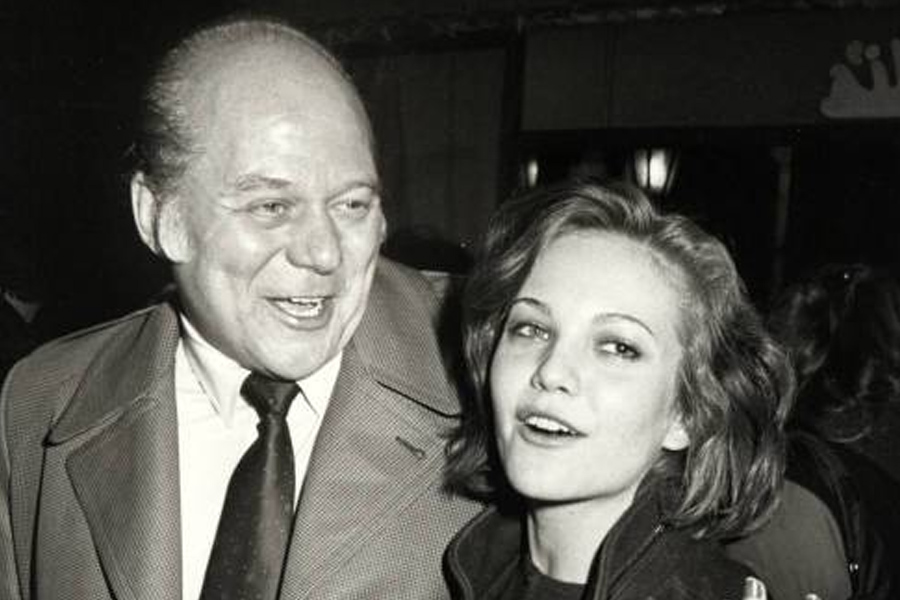
A modest life with uncommon resonance
Burton Eugene Lane lived far from celebrity glare. Yet his life touched a lineage that later entered public memory. Family records place his birth around 1930. His death came in February 2002. That span covers roughly 72 years of changing city streets, shifting arts, and private labor. He was known as Burton Lane and Burt Lane as well. Those shorter names sound brisk and practical, like someone used to movement. He was not a marquee figure. He was a working man with a long reach.
His story feels elusive because it was built in ordinary rooms. Manhattan gave him work, motion, and a demanding tempo. He moved between teaching, coaching, driving, and instruction. Each role suggests different kinds of discipline. He listened to performers, navigated traffic, and later addressed students. That combination is not glamorous. It is sturdier than glamour. It belongs to a life shaped by repetition, patience, and resourcefulness.
Career movements across city and classroom
Burton’s occupational path reads like a small urban odyssey. He worked as a Manhattan drama and acting coach. He also led acting workshops. Later, he drove a taxi. He eventually taught humanities in a college setting. Those shifts suggest adaptability rather than drift. He seems to have moved with the city’s changing rhythms.
| Approximate Period | Role | Notable Character |
|---|---|---|
| Mid life years | Drama coach | Focused on performance and expression |
| Later years | Workshop leader | Hands on instruction in Manhattan |
| Transitional period | Taxi driver | Street level work and daily motion |
| Later academic phase | Humanities teacher | Broader reflection and classroom teaching |
The order matters because it reveals a layered temperament. Coaching requires attention to timing and emotional truth. Taxi driving demands spatial intelligence and endurance. Teaching humanities asks for interpretation and verbal clarity. Few lives hold all three. Burton’s life did. That breadth makes him feel less like a footnote and more like a hinge between environments.
Manhattan likely sharpened his instincts. The city rewards quick judgment. It also punishes pretension. A drama coach there needed precision, not ornament. Students expected practical guidance. He probably learned to notice small gestures, awkward pauses, and sudden breakthroughs. Such attentiveness would translate well into teaching. It would also help in a taxi, where routes, traffic, and human moods change constantly. His career therefore seems stitched together by alertness.
Family ties and personal chronology
Burton’s family story is central to how he is remembered. He married Colleen Farrington, a model and nightclub performer. Their marriage ended in divorce around 1965. That year matters because it also marks the birth of their daughter, Diane Colleen Lane. She was born on January 22, 1965. The timing gives the family narrative a dramatic cadence. A marriage ended while a future actress entered the world.
| Family Member | Relationship | Date or Detail |
|---|---|---|
| Colleen Farrington | Spouse, later divorced | Marriage ended around 1965 |
| Diane Colleen Lane | Daughter | Born January 22, 1965 |
| Eleanor Jasmine Lambert | Granddaughter | Born 1993 |
Diane Lane later became internationally recognized. That prominence makes Burton’s quiet presence more intriguing. He did not become famous through his own name. Instead, his name survives through familial association and professional memory. That does not diminish his importance. It sharpens it. Many lives matter most through their effects on others.
The family timeline also stretches forward through Eleanor Jasmine Lambert, born in 1993. That date places another generation within the same line. It creates a small but vivid historical bridge. Burton belongs to a family arc spanning postwar New York, 1960s change, and late twentieth century visibility. His dates anchor that arc. His work helped sustain it.
The atmosphere of his teaching
A drama workshop in Manhattan likely felt intimate and exacting. Chairs would have been plain. Scripts would have been dog-eared. Voices would have carried across narrow spaces. Burton’s role as coach suggests he operated in that charged atmosphere. He helped people shape speech, posture, and emotional rhythm. Acting workshops often rely on a paradox. They demand structure while seeking spontaneity. A good coach must understand both.
Burton’s teaching style can be imagined as spare and practical. The best coaches often discourage excess. They prize reaction over fabrication. They ask students to listen rather than perform feverishly. That kind of guidance leaves a durable mark. It changes how a person enters a room. It alters the timing of a line. It also shapes confidence. Such lessons are not always visible in public records. They live in habit.
His later work in humanities likely added another dimension. Humanities teaching invites reflection on culture, language, and human behavior. That setting would have differed from a rehearsal room. Yet the underlying skill remained similar. He still needed to prompt awareness. He still needed to guide interpretation. The transition from coach to teacher therefore feels coherent. It reflects a mind interested in expression, not spectacle.
How Burton may have shaped Diane Lane
It is tempting to draw a straight line from father to daughter. Real life rarely behaves so neatly. Still, Burton’s environment likely influenced Diane Lane in meaningful ways. Growing up near a drama coach would expose a child to tone, discipline, and observational habits. A household linked to performance can make expression feel ordinary. That can be a gift. It can also be a responsibility.
Diane Lane became known for restraint and emotional density. Her performances often depend on a look, a pause, or a softened voice. Such qualities are not inherited mechanically. Yet family atmospheres can cultivate them. If Burton taught with precision, that precision may have entered the family vocabulary. If he valued authentic reaction, that ethos could have shaped her sensibility. The connection remains interpretive, but it is plausible.
His marriage to Colleen Farrington also added artistic texture to the household. She was a model and performer. That means Diane grew up near multiple forms of public presentation. One parent worked with performance craft. The other knew visual poise and entertainment culture. Such a pairing can create a rich formative climate. It can teach a child that self presentation is both art and labor.
Later years and quieter continuity
Burton’s later life seems less documented than his family connections. That scarcity is common for people outside celebrity systems. Still, his occupations suggest a man who kept working. He did not remain confined to one identity. He moved through roles that required stamina and judgment. Taxi driving especially suggests a willingness to meet the city on its own terms. It is work that exposes a person to every kind of weather and temperament.
His death in February 2002 closed a life that had already unfolded across several professional worlds. By then, his daughter had long become visible to the public. His granddaughter had already been born. The family line had expanded beyond his own direct work. That is often how quiet legacies operate. They continue through descendants, students, and remembered habits. They do not need a spotlight to persist.
Burton’s legacy also rests in the dignity of his labor. He taught. He coached. He drove. He returned to teaching. Those are not trivial acts. They represent engagement with other people’s days. A coach affects confidence. A driver affects movement. A teacher affects understanding. In that sense, Burton’s life was relational from start to finish. He lived by contact, not display.
Key Takeaways
Burton Eugene Lane was a Manhattan based drama coach, workshop leader, taxi driver, and humanities teacher. Family records place his birth around 1930 and his death in February 2002. He was married to Colleen Farrington, and their daughter was Diane Colleen Lane, born January 22, 1965. His granddaughter, Eleanor Jasmine Lambert, was born in 1993. His public identity remained modest, but his family influence endured. His life reflects the power of behind the scenes labor, where teaching and guidance can shape lasting artistic lineage.


