Basic Information
Cheryl Moana Marie Nunes carries a biography shaped by performance, heritage, and public visibility. Born on May 17, 1971, in Hillsboro, Oregon, she later became closely associated with Hawai‘i and its cultural vocabulary. Her name itself is unusually resonant, with “Moana” evoking the ocean and a broader Pacific cadence. Across her career, she has worked as a television presenter, singer, former Oakland Raiderette, pageant competitor, and actress. That range gives her public identity a layered and memorable contour.
Her life story is often described through several recurring themes. Family roots in Hawai‘i remain central. Musical expression appears alongside pageantry and television. Even her brief screen roles helped reinforce a poised and adaptable image. She is not a figure defined by one narrow lane. Instead, she moves across several forms of entertainment with recognizable continuity.
Early Life and Cultural Roots
Cheryl Moana Marie Nunes was born in Oregon, yet her family soon returned to Hawai‘i. That shift matters, because her public identity is inseparable from island life. Her background is commonly described as Hawaiian, Chinese, Filipino, and Portuguese. This cultural breadth gives her story a composite texture rather than a single lineage. It also helps explain the elegance often attached to her name and presentation.
Her given name carries unusual significance. It is frequently linked to the song “Cheryl Moana Marie.” That connection gives her name an almost lyrical provenance. In entertainment culture, names can become brands, but in her case the name also preserves a familial and regional memory. This detail has stayed close to her public narrative over time.
The early environment around her likely shaped the mixture of discipline and visibility that marked later stages of her career. Hawai‘i tends to appear in accounts of her life not as a backdrop alone, but as a persistent moral and aesthetic reference. The island setting is tied to family, music, and personal identity. That triad remains one of the clearest organizing ideas in her biography.
Pageants and the Raiderette Years
Before television brought broader recognition, Nunes gained experience through pageants. She is widely reported to have won Miss Kaua‘i America at a young age. She also placed highly in Miss Hawai‘i competitions. Those experiences demanded composure, stage fluency, and sustained self-possession. Pageants often reward exactly those traits, and she seems to have developed them early.
Her next major public phase came as an Oakland Raiderette. That role was physically demanding and highly visible. Cheerleading at that level requires exact timing, stamina, and social polish. It also places performers within a large civic spectacle, where each movement is magnified. Nunes’ time as a Raiderette likely sharpened her ability to hold attention without excess.
The Raiderette role also mattered symbolically. It bridged athletic showmanship and entertainment professionalism. For many performers, that sort of position becomes a training ground for camera work and public events. In her case, it helped create a stable public bearing that remained useful in later years. She projected discipline rather than volatility, which became part of her signature.
Television and Screen Appearances
Nunes’ on-camera work includes both acting and reality television. In 1997, she appeared in Fallen Angel in a small role. That credit may be modest, but it placed her in the film world and expanded her résumé beyond live performance. Small roles often matter because they establish camera familiarity and professional range.
In 2012, she appeared on Celebrity Wife Swap. That program offered a more intimate public view, since reality television relies on domestic context and personality. The appearance gave audiences access to her home life and her manner under pressure. Reality television often exposes contradiction, yet her presentation remained measured. She came across as composed and quietly self-aware.
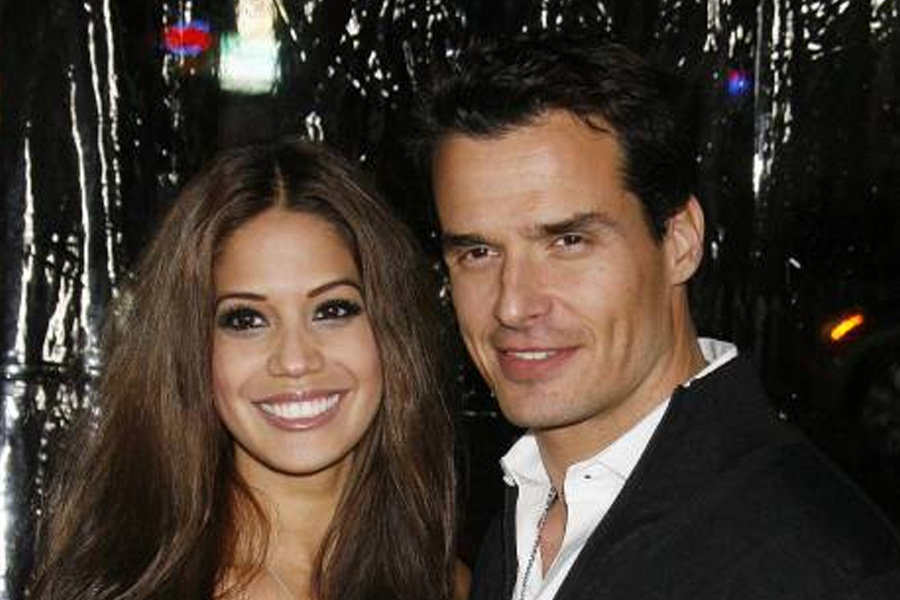
Her public appearances during the 2010s included premieres, charity functions, and red carpet events. These appearances were often associated with her marriage to Antonio Sabàto Jr. The visual record from that period reinforced her polished and reserved style. She did not present as flamboyant or theatrical. Instead, she suggested a contained confidence that fit the entertainment ecosystem without being consumed by it.
Music and Performance Identity
Nunes also pursued music under the name Cheryl Moana Marie. In 2008, she released the EP Kauai Motion. In 2010, she issued the single Christmas Kisses. These releases occupy a niche between island-inflected pop and adult contemporary ease. They are not primarily known for commercial spectacle. Rather, they reflect a performer interested in atmosphere, melody, and tonal warmth.
Her musical output is significant because it extends her identity beyond visual performance. Singing requires a different kind of vulnerability than pageantry or television. It invites proximity and tonal judgment. By releasing music, she asserted a more personal artistic register. That move aligns with the broader pattern of her career, which often balances public polish with private resonance.
The titles themselves reinforce her aesthetic. Kauai Motion suggests movement, place, and fluidity. Christmas Kisses introduces seasonal softness and sentimental brightness. Both releases lean toward approachable, melodic imagery. They fit a performer whose persona is tied to coastal calm and refined presentation. The music reflects continuity with her island-rooted identity.
Marriage Family and Public Attention
On September 25, 2012, Nunes married Antonio Sabàto Jr. in Kaua‘i. Their wedding location carried obvious symbolic weight. It placed the island landscape directly into the center of the union. Their son, born in May 2011, became another important part of that family story. His middle name is often reported as Kamakanaalohamaikalani, a name that reflects strong Hawaiian cultural association.
Marriage brought a different kind of visibility. Sabàto’s own public life moved through acting, modeling, and reality television. As a result, Nunes was often seen beside him at entertainment events. The pair became familiar to audiences who tracked celebrity family life. Yet she usually remained the steadier figure in those appearances.
The couple separated in late 2016, and the divorce was finalized in 2018. That period drew media attention, as such separations often do. Still, Nunes maintained a relatively restrained profile. She appears to have favored privacy and continuity over public dispute. That choice matches the broader tone of her public history.
Immediate Family and Connections
| Family Member | Relationship | Key Detail |
|---|---|---|
| Antonio Sabàto Jr. | Former spouse | Married in Kaua‘i on September 25, 2012 |
| Son | Child | Born in May 2011 |
| Jack Sabàto | Family tie through marriage | Son of Antonio Sabàto Jr. from a previous relationship |
| Mina Bree Sabàto | Family tie through marriage | Daughter of Antonio Sabàto Jr. from a previous relationship |
Her family story reveals a careful balance between public and private life. The marriage, the child, and the broader family network all became part of her public narrative. Yet she did not turn that narrative into a constant performance. She remained identifiable without becoming overexposed. That restraint is part of what gives her public image durability.
Public Image and Cultural Thread
Nunes’ image is built on steadiness, polish, and continuity with Hawai‘i. Those traits appear across nearly every stage of her biography. Her pageant work emphasized grace. Her cheerleading emphasized precision. Her television work emphasized composure. Her music emphasized warmth and melodic identity. Together, these elements form a coherent profile.
The cultural thread is especially important. Her name, her family roots, and her artistic choices all point back to island life. That thread gives her story a kind of internal architecture. It prevents the biography from feeling scattered across unrelated jobs. Instead, the different roles seem like variations on a single underlying temperament.
There is also a notable absence of excess in her public persona. She has not relied on loud self-mythologizing. She has not built her identity around perpetual reinvention. Her visibility seems selective, not incessant. That makes her biography feel more composed than sensational.
Timeline at a Glance
| Year | Milestone |
|---|---|
| 1971 | Born on May 17 in Hillsboro, Oregon |
| 1980s to 1990s | Pageant activity and early modeling work |
| 1990s | Oakland Raiderette and Los Angeles entertainment work |
| 1997 | Appeared in Fallen Angel |
| 2008 | Released EP Kauai Motion |
| 2010 | Released Christmas Kisses |
| 2011 | Son born in May |
| 2012 | Appeared on Celebrity Wife Swap and married Antonio Sabàto Jr. |
| 2016 | Separation period began |
| 2018 | Divorce finalized |
The timeline shows a career that unfolded in measured stages. She did not emerge through one explosive breakthrough alone. Instead, her public life developed through pageants, performance, music, family, and television. Each phase added a different register to the whole. The result is a biography with breadth and a stable center.
Key Takeaways
Nunes is best understood as a multifaceted entertainer with strong Hawaiian ties. Her career spans pageants, cheerleading, television, film, and music. Her name and family background remain central to her identity. She has maintained a dignified public presence across decades of visibility. Her story is defined less by spectacle than by continuity, cultural memory, and adaptable performance.